
The Benefits of Specialized Memory Care in a Supportive Environment
Dementia and related memory impairments affect millions globally, necessitating environments that offer more than just basic care. Specialized memory care facilities provide tailored support designed to meet the unique needs of those with memory loss. These establishments often highlight therapeutic activities, adaptability to individual circumstances, and staff trained explicitly in memory care techniques.
The value of a dedicated memory care community lies in its ability to enhance the residents’ well-being, safety, and happiness. Memory care goes beyond general assisted living by offering strategies that can slow the progression of memory loss. Below, we explore the benefits of specialized care environments.
Tailored Care Strategies for Memory Impairment

Memory care programs are effective, in part, because of their personalized approach. Each resident’s care plan is crafted to suit their specific stage and type of memory impairment, which can range from mild cognitive decline to advanced stages of dementia. This personalization leads to more effective symptom management and improved outcomes.
Facilities often use evidence-based techniques such as music therapy and reminiscence therapy, which have been shown to improve mood and cognitive function. For instance, a study reported a 60% improvement in mood scores among people with dementia who participated in music therapy sessions. These therapies, along with physical activities, are integral components of a specialized care plan.
Choosing a memory care facility with a wide range of therapies and activities benefits residents. Families should look for programs that evaluate and adjust care plans regularly to ensure the evolving needs of their loved ones are met.
Enhancing Quality of Life in Memory Care Communities
Living in a memory care community that offers a nurturing, secure environment can significantly enhance the quality of life for individuals with memory impairments. These communities are designed to reduce confusion and anxiety, which are common in individuals suffering from dementia.
For example, the layout of memory care facilities is often simple and easy to navigate, minimizing the risk of disorientation. Also, a specialized memory care in a supportive environment can provide regular activities that engage residents socially and mentally, leading to increased feelings of connection and purpose.
To truly benefit, one should look for a memory care community that focuses on creating comfortable living spaces and meaningful engagement. The inclusion of familiar objects and a schedule of stimulating activities is just one way these facilities improve residents’ lives.
Supportive Environments: A Key to Cognitive Stimulation
The environment in which memory care is provided plays a crucial role in stimulating cognitive functions. A setting that challenges and engages residents’ minds can help maintain cognitive abilities and even rally skills once thought lost.
By incorporating cognitive stimulation into their daily routines, residents often experience a slower rate of cognitive decline. Activities such as puzzles, art classes, or simple gardening can make a significant difference in maintaining brain health. These activities are not only enjoyable but also offer a sense of achievement and normalcy.
Seeking a facility that prioritizes cognitive stimulation through a structured yet flexible array of activities ensures that residents are continually encouraged to use their mental faculties, which is essential for their well-being.
Family Involvement and Peace of Mind in Specialized Care Settings
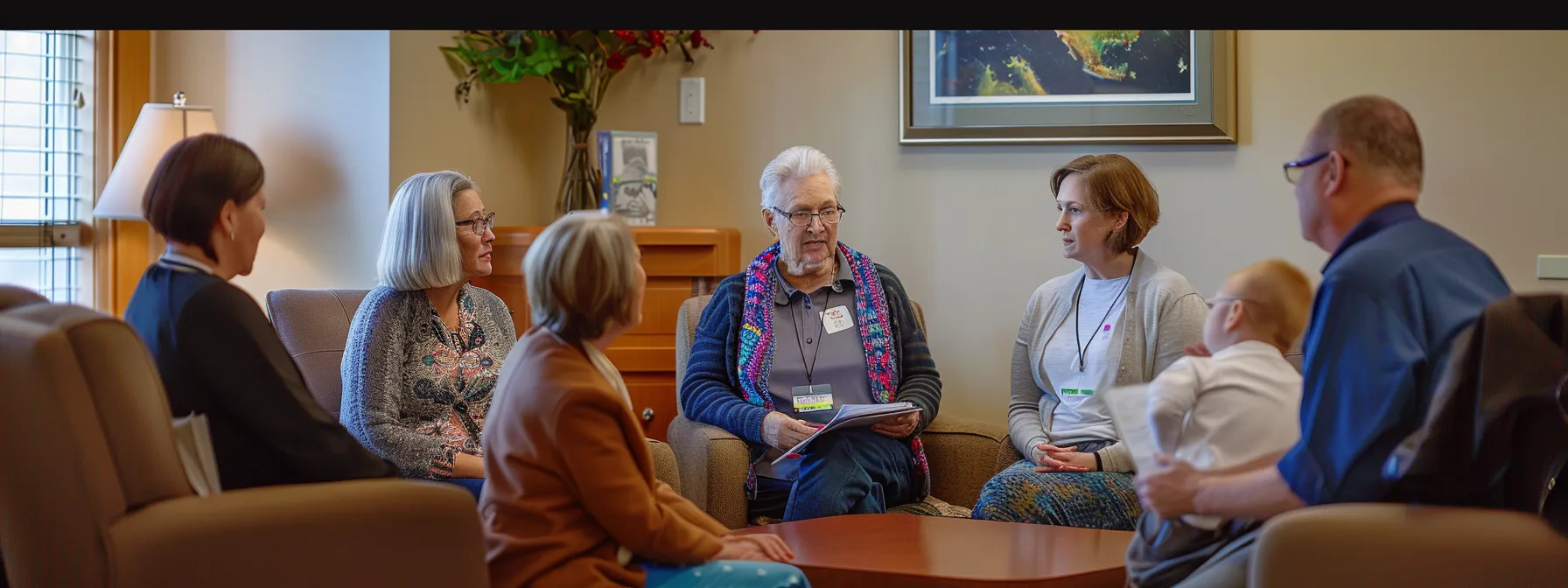
The involvement of family members is another distinguishing factor of specialized memory care facilities. These centers often encourage an open-door policy for families, fostering a partnership that benefits the emotional well-being of both the resident and their loved ones.
Communication tools and family support groups offered by these facilities provide invaluable resources for coping with the challenges of memory diseases. These systems also work to keep family members informed about their loved one’s condition and the care they are receiving.
To maximize peace of mind, families should look for memory care communities that emphasize strong communication and family involvement in care. These elements not only deepen trust but also strengthen the support network for individuals as they navigate through their memory care journey.
Specialized memory care communities not only offer a safe refuge for individuals with memory impairments but also enrich their lives through tailored care strategies and supportive environments. With active family involvement, they present a comprehensive approach that addresses the multifaceted nature of dementia and related disorders, bringing peace of mind to families and improved quality of life to residents.